
Selecting the right wood chipper is essential for tackling outdoor projects effectively, whether you’re a professional arborist, landscaper, or DIY enthusiast managing garden maintenance. With numerous types and sizes of wood chippers available, understanding what each offers can make a significant difference in performance, efficiency, and safety. This guide will walk you through the key considerations for choosing the best wood chipper for your needs.
1. Understanding Wood Chipper Types
Wood chippers come in various types, each suited to different tasks:
- Electric Wood Chippers: Ideal for small-scale tasks, electric wood chippers are lightweight and suitable for garden maintenance. They are generally quieter and require less maintenance, but their power is limited compared to petrol models.
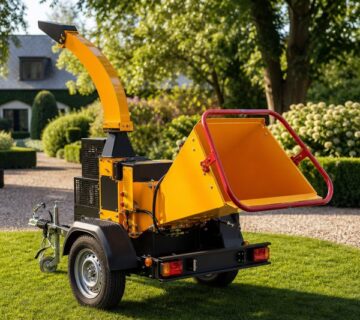
- Petrol Wood Chippers: Known for their power and versatility, petrol wood chippers can handle larger branches and tougher materials. They are more suited to large properties and professional use.
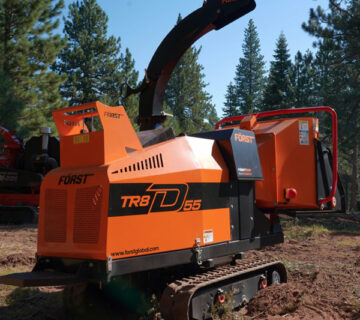
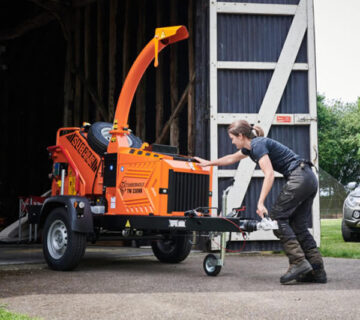
- Tracked Wood Chippers: These chippers provide excellent mobility on uneven or rough terrain. Ideal for challenging landscapes, they are commonly used in commercial settings where stability and access to remote areas are necessary.
- Towable Wood Chippers: Offering the convenience of being transported between sites, towable chippers can be hitched to a vehicle. They’re perfect for larger projects that require frequent relocation.
2. Determining the Right Size for Your Project
The size of your chipper affects its capacity and the types of materials it can handle. Here are some pointers to help choose the appropriate size:
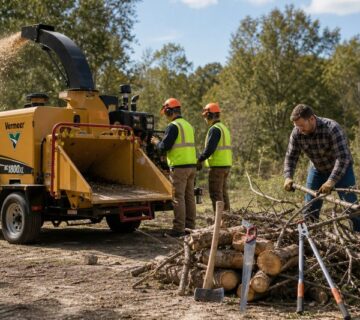
- 6-Inch Capacity Chippers: Suitable for light to medium tasks, these chippers can handle branches up to 6 inches in diameter. They’re often ideal for residential landscaping and small commercial projects.
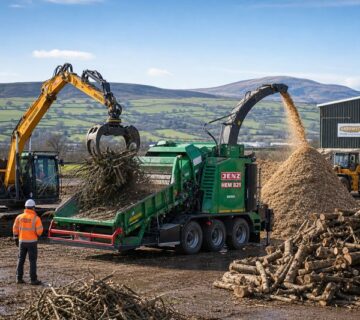
- 8-Inch Capacity Chippers: Perfect for larger projects, these chippers can handle thicker branches and larger volumes of debris. They are well-suited for professional arborists and contractors dealing with substantial tree or brush removal.
3. Key Features to Look For
When selecting a wood chipper, it’s important to look for features that enhance ease of use, safety, and performance:
- Self-Feeding Capability: Some chippers feature self-feeding mechanisms that pull branches in automatically, saving time and reducing manual effort.
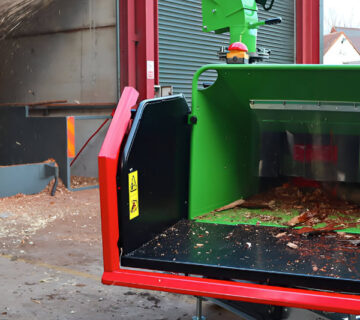
- Safety Features: Safety is crucial with wood chippers. Look for models with emergency stop buttons, wide in-feed chutes, and sturdy hopper designs to protect the operator.
- Easy Maintenance: Regular maintenance is essential to keep chippers running smoothly. Look for models with easy access to blades, filters, and other parts to streamline upkeep.
4. Matching the Chipper to Your Specific Needs
Consider the specific tasks you’ll be undertaking. For example, small-scale landscaping and garden clean-ups are manageable with smaller electric chippers, while larger, heavier-duty petrol models are needed for commercial clearing and larger branches.
5. Noise Levels and Environmental Impact
Electric chippers are generally quieter and emit no direct emissions, making them an eco-friendly option for residential areas. In contrast, petrol chippers are louder and emit fumes, though newer models often meet strict environmental standards.
6. Hiring a Wood Chipper from Cambrian Chipper Hire
At Cambrian Chipper Hire, we offer a wide range of chippers suited for all types of projects. Our expert team can help guide you through the selection process to ensure you choose the right machine for your needs. Our rental options are flexible and affordable, whether you need short-term or long-term hire.
Get in Touch
Need help or have a question, use our contact page to send us your enquiry or call us on 02920 569 311.